Flat Roof Systems Built to Prevent Leaks
Rubber Roofing (EPDM/TPO) in Houston for properties with flat or low-slope sections that need reliable waterproofing and long-term protection
Zarca Roofing, LLC installs rubber roofing systems using EPDM and TPO membranes for Houston homeowners and property managers dealing with flat or low-slope roofs that require strong waterproofing without the weight and complexity of traditional pitched roofing. You get a single-ply membrane that flexes with temperature changes, resists UV degradation, and forms a continuous barrier against water infiltration. When your flat roof shows ponding water, seam failures, or recurring leaks that damage ceilings and interior walls, rubber membranes provide a solution designed specifically for the challenges of low-slope installations.
The installation involves cleaning and preparing the roof deck, applying insulation if needed to improve energy performance, and securing the membrane using adhesive or mechanical fasteners depending on the substrate and building code requirements. Houston's climate demands roofing that handles both intense heat and heavy downpours, and rubber systems deliver by reflecting solar radiation and channeling water toward drains without allowing it to pool and degrade the membrane. You get a roof that performs reliably for twenty to thirty years with minimal maintenance.
If you need a flat roof inspection or want to discuss membrane options for your property, contact Zarca Roofing, LLC to schedule an assessment.
How Rubber Membranes Work and What They Prevent
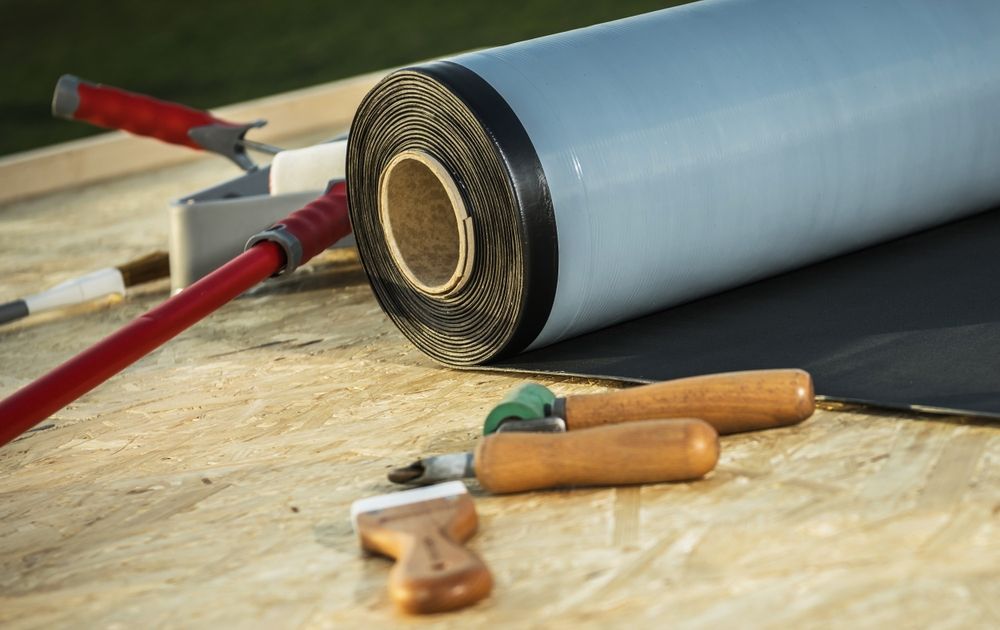
Your rubber roof installation begins with a thorough inspection of the existing roof deck to identify areas where water has pooled or where the structure has sagged, both of which must be corrected before the new membrane is applied. The crew installs insulation boards to improve thermal resistance, then rolls out EPDM or TPO sheets and seals the seams using heat welding or adhesive strips that create a watertight bond. You see a finished roof with smooth, consistent coverage and properly flashed edges around parapets, vents, and drains to prevent the leaks that typically start at these transitions.
After completion, you notice that water drains efficiently even during heavy rain because the membrane's slope directs flow toward gutters and scuppers without creating low spots where water can collect. Your interior ceilings stay dry, and you no longer see stains or mold growth caused by moisture penetrating through seam failures. Zarca Roofing, LLC uses TPO membranes with reflective surfaces when energy efficiency is a priority, which helps reduce cooling costs by deflecting solar heat instead of absorbing it into the building.
Rubber roofing requires periodic inspections to check seam integrity and to clear drains of debris that can cause water to back up and pool. EPDM membranes are more flexible and better suited for roofs with irregular shapes, while TPO offers higher reflectivity and stronger resistance to punctures. Replacement becomes necessary when the membrane develops widespread cracks, when seams begin to separate, or when ponding water creates areas of permanent damage that cannot be repaired with patches.
Common Flat Roofing Questions
Property owners in Houston often ask about lifespan, maintenance, and how rubber membranes compare to other flat roofing materials.
What is the lifespan of EPDM and TPO roofing?
You can expect twenty to thirty years from both membranes, with TPO often lasting slightly longer due to its resistance to UV damage and thermal cycling.
How do you prevent ponding water on a flat roof?
Proper slope during installation directs water toward drains, and adding tapered insulation beneath the membrane can correct low spots where water tends to collect.
Why do seams fail on flat roofs?
Seams fail when adhesive degrades under UV exposure, when thermal expansion pulls the membrane apart, or when improper installation leaves gaps that allow water to penetrate.
When should I inspect my flat roof?
You should inspect twice a year and after severe storms to check for debris buildup, seam separation, and punctures from falling branches or equipment.
How does rubber roofing handle Houston's heat and humidity?
TPO membranes reflect solar heat to keep the roof surface cooler, and both EPDM and TPO resist moisture absorption, which prevents the breakdown that affects organic roofing materials in humid climates.
Zarca Roofing, LLC provides flat roof inspections that identify problem areas and recommend repairs or replacement based on the condition of your current system. Call to arrange a visit and review your options for EPDM or TPO installation.