Roofing That Reflects Heat and Resists Storms
Residential Metal Roofing in Houston for homeowners seeking energy efficiency and long-term durability in a climate with intense heat and wind
Zarca Roofing, LLC installs residential metal roofing systems for Houston homeowners who want a modern solution that lowers cooling costs and stands up to severe weather without requiring frequent repairs. You choose between standing-seam panels that offer a clean, contemporary look and corrugated profiles that suit traditional or rustic designs, and you get a roof that reflects solar heat instead of absorbing it. When your current roof struggles to keep your home comfortable or shows damage after every storm season, metal roofing provides a measurable upgrade in performance and longevity.
The installation involves removing your existing roof, inspecting and repairing the decking, and securing metal panels with fasteners designed to allow thermal expansion without creating gaps. Houston's combination of high temperatures and sudden downpours means your roof must shed water quickly and resist wind uplift during thunderstorms, and metal systems do both while reducing the heat load that passes into your attic. You get a roof that requires minimal maintenance and lasts forty to sixty years with proper installation.
If you want to explore metal roofing options or need a quote for your home, schedule an inspection with Zarca Roofing, LLC to review panel styles and finishes.
Installation Process and Long-Term Benefits
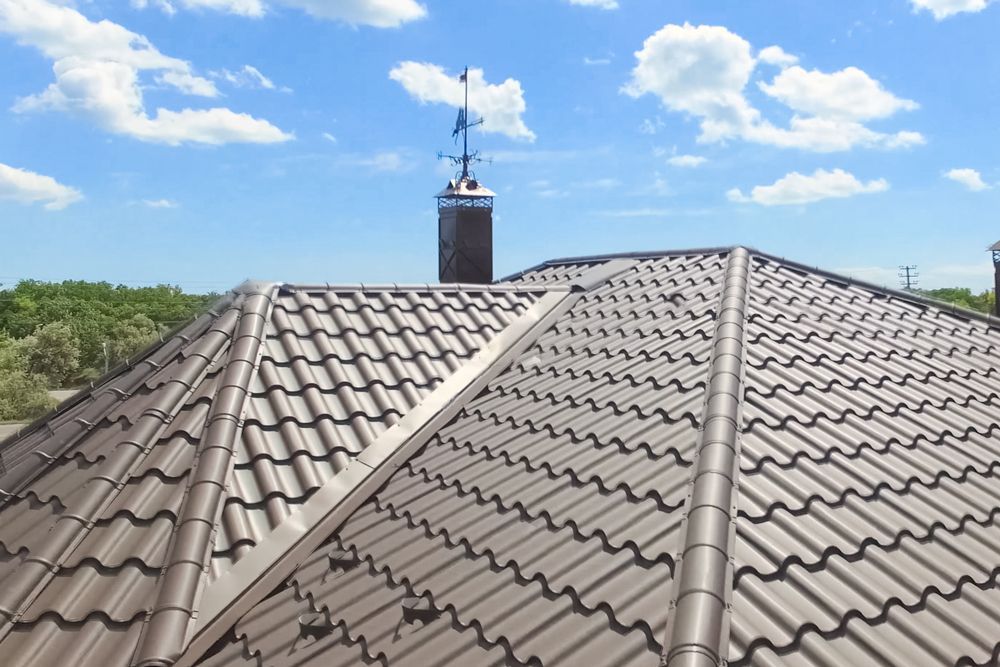
Your metal roof installation starts with a full teardown of the old roofing material, followed by an inspection of the decking to identify any areas weakened by moisture or insect damage. The crew installs underlayment with high slip resistance to prevent panel movement, then secures standing-seam or corrugated metal panels using concealed or exposed fasteners depending on the profile you select. You see a finished roof with straight lines and consistent panel alignment, designed to channel water toward gutters without pooling or leaking at seams.
After completion, you notice that your attic temperature drops because metal panels reflect a significant portion of solar radiation, which reduces the workload on your air conditioning system during summer. Your energy bills decrease as your cooling costs stabilize, and you no longer worry about shingles tearing off during high winds or hail punching holes through your roof surface. Zarca Roofing, LLC uses metal rated for wind speeds common in coastal storm events, and the panels resist corrosion even in Houston's humid environment.
Metal roofing requires less maintenance than asphalt because it does not degrade under UV exposure or support algae growth, but you should still inspect fasteners and sealant around penetrations every few years. Panels can dent from severe hail, though most finishes include impact-resistant coatings that minimize visible damage. Replacement is rarely needed within the first several decades, and when it does occur, the process is straightforward because metal panels are not embedded in layers the way shingles are.
Questions About Metal Roofing Performance
Homeowners in Houston often ask about noise, energy savings, and how metal compares to traditional materials in storm conditions.
How much does metal roofing reduce cooling costs?
You can see a ten to twenty-five percent reduction in cooling expenses depending on your roof's orientation, insulation quality, and the reflectivity of the metal finish you select.
What is the lifespan of a residential metal roof?
Metal roofing typically lasts forty to sixty years, with some standing-seam systems reaching seventy years when installed with proper ventilation and corrosion-resistant fasteners.
Why does metal roofing cost more than asphalt?
Material costs are higher because metal panels are manufactured to tighter tolerances, and installation requires specialized tools and techniques, but the extended lifespan often makes the total cost per year lower.
When should I inspect a metal roof for damage?
You should inspect after severe hail or windstorms to check for dents or loose fasteners, and you should schedule a professional inspection every three to five years to verify sealant integrity around vents and chimneys.
How does metal perform during Houston's heavy rain?
Metal panels shed water faster than shingles because the smooth surface and raised seams prevent water from pooling, and the interlocking design keeps wind-driven rain from penetrating the roof deck.
Zarca Roofing, LLC provides detailed quotes that break down panel options, color choices, and installation timelines so you understand what to expect before work begins. Reach out to request an inspection and discuss whether metal roofing fits your home's design and budget.